Practical ways to spend less on children’s clothes in the UK, from planning sizes and school uniform to second-hand finds and repair.
Children grow, clothes get muddy and preferences change. Saving money is less about finding the lowest price on every item and more about buying what your child needs, using it well and avoiding replacements that could have been prevented. Prices, school rules and local support vary, so check current details before buying.
Begin with a wardrobe check
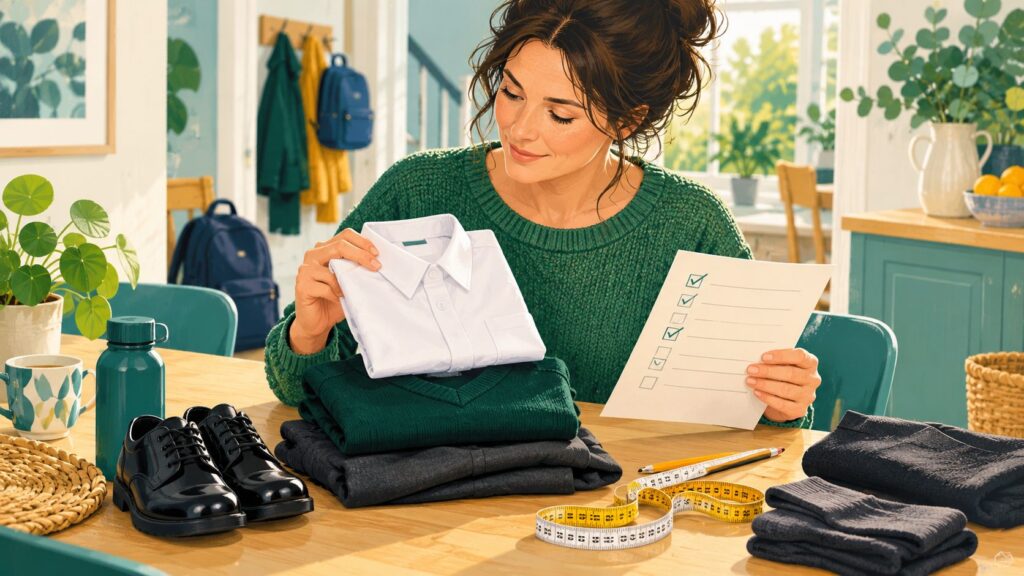
Before a new season or school term, sort clothes by child and type. Make three simple groups: fits and is worn, needs repair or washing, and no longer fits or is unsuitable. Note gaps rather than replacing everything. Check coats, shoes, PE kit, underwear and weather layers separately because a wardrobe can look full while missing the items used every day.
Keep a short list with sizes and measurements. Children’s sizing differs between brands, so check garment measurements and the retailer’s size guide. If buying ahead, consider how quickly your child is growing and whether the item can be returned if it does not fit.
Plan school uniform purchases
Use the school’s current uniform and PE list, including what is compulsory, what can be generic and which items need a logo. In England, GOV.UK guidance says schools must limit compulsory branded items from September 2026, with a different limit for some secondary and middle schools. It also says schools should make second-hand uniform available and publish information about it. Rules and grants differ across the UK, so ask your school or local authority about the arrangements where you live.
Buy only the required branded items. For generic items, compare supermarkets, department stores and uniform retailers on fit, fabric, wash instructions and return terms. Ask the school whether an existing item can be worn until it is outgrown or whether second-hand uniform is available. If uniform or PE kit is unaffordable, contact the headteacher and ask what help is available.
Look for good-quality second-hand clothes
School uniform swaps, charity shops, community groups and reputable resale platforms can be useful. Check the garment for stains, holes, broken zips, stretched cuffs, missing buttons and fading. Ask for measurements if buying online and include postage in the total. For shoes, check fit carefully; a low price is not useful if the footwear is uncomfortable or unsuitable.
Wash items according to the care label before use. Be cautious with children’s clothing containing cords, detachable parts or damaged fasteners, and check current product safety information if something appears unsafe. Buy from a source you can identify and use platform protections where available.
Make clothes last longer
- Follow care labels and wash at the lowest suitable setting to reduce unnecessary wear.
- Close zips and fasteners before washing; separate items that may snag.
- Repair a loose button, small seam or hem when the repair is safe and worthwhile.
- Label school uniform and outerwear to reduce mix-ups.
- Keep a small “next size” box only for clean, suitable items that can realistically be used.
- Pass on outgrown clothes promptly while they are still in good condition.
Do not spend more on a repair than a suitable replacement would cost, and do not keep unsafe or uncomfortable items in use to avoid spending. The right choice depends on the garment and your household.
Buy fewer items that work together
Choose a small group of colours and layers that can be combined across several outfits. Before buying, ask how often the item is likely to be worn, whether it works with clothes your child already owns, and whether it is suitable for school, play or the weather. A special outfit can be worthwhile if it will be worn; an expensive item that stays in the wardrobe is not good value.
For seasonal sales, keep the list and budget you made beforehand. Check the final price, delivery and return costs. Avoid buying several sizes “just in case” if returning them is inconvenient or unaffordable.
Budget for growth and school changes
Children’s clothing needs often arrive in clusters: a new school year, colder weather or a sudden growth spurt. If it is manageable, spread expected costs across the year in a separate pot. Include shoes, coats, uniform, PE kit and replacement basics. This is a planning aid, not a required savings target.
Frequently asked questions
Where can I find second-hand school uniform?
Ask the school where its uniform exchange or sale operates; current guidance in England expects schools to make second-hand options accessible and publish information. Community groups and local charities may also help.
Should I buy a larger size so it lasts longer?
Only if the garment remains comfortable and safe to wear. Oversized shoes, coats or sports clothing may be impractical. Check the retailer’s returns policy and choose a fit suitable for your child now.
Can I get help with uniform costs?
Possibly. Contact your school and local council. Support differs between England, Scotland, Wales and Northern Ireland and eligibility can change.
Related guides and official guidance
See our family essentials value guide, deal-checking checklist and family budgeting guide.
- GOV.UK: School uniform and help with costs
- Department for Education: Cost of school uniforms (England)
General information only. School uniform rules, support and retailer terms vary; check current local guidance.